
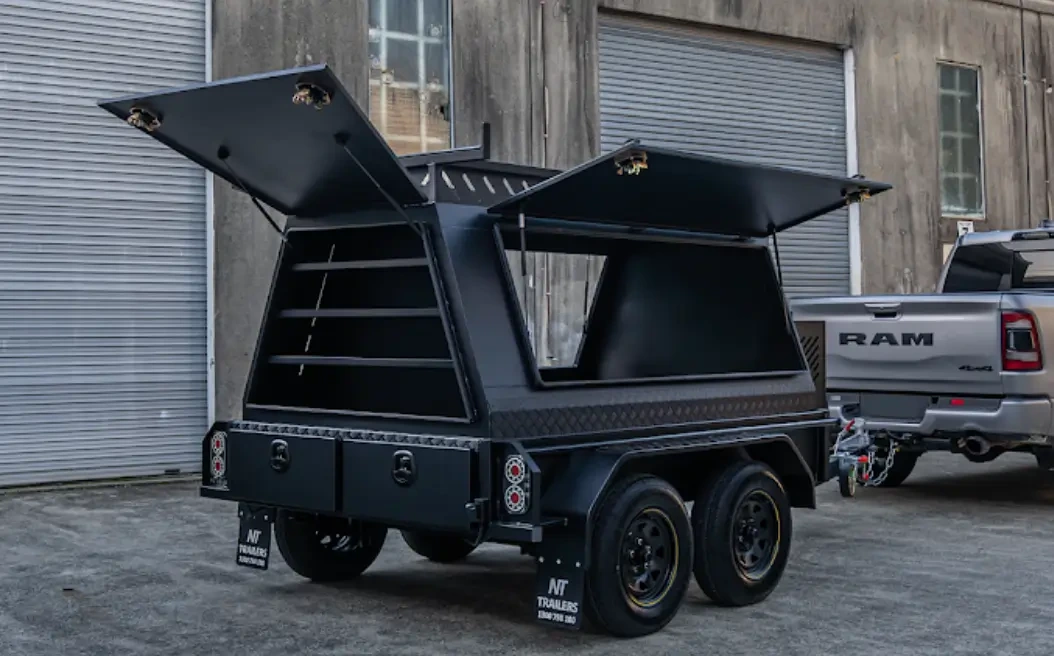
Learning how to reverse a trailer is an essential skill for anyone towing, whether it's a tradesman trailer for work or a recreational trailer for a weekend adventure. While it may seem daunting at first, reversing a trailer can become second nature with the right approach and techniques.
Why It's Important to Know How to Reverse a Trailer
- Avoid accidents: Incorrect reversing is a common cause of accidents, which can lead to damage to your vehicle, trailer, or nearby structures.
- Save time: A confident and well-practiced technique can significantly reduce the time spent maneuvering your trailer.
- Professionalism: Being able to reverse smoothly and precisely projects professionalism and care for your equipment.
Step-by-Step Instructions
Step 1: Align Your Vehicle and Trailer Properly
Ensure that the trailer hitch is securely connected and that both vehicle and trailer are positioned in a straight line. This alignment will give you more control as you start to reverse.
Step 2: Use Mirrors and Adjust Your Seat
Adjust both side mirrors to give you a clear view of the trailer's back and sides. Backup cameras can provide additional guidance, but shouldn't be relied on solely.
Step 3: Understand Trailer Direction
The trailer will move in the opposite direction of your steering input. To reverse the trailer to the left, turn your vehicle's steering wheel to the right, and vice versa.
Step 4: Make Small, Gradual Adjustments
When reversing, less is more. Make gradual adjustments to the steering wheel, as oversteering can cause the trailer to jackknife.
Step 5: Take It Slow and Steady
Always go slow when reversing a trailer. This gives you more time to correct any steering issues and prevents the trailer from veering too far off course.
Common Mistakes When Reversing a Trailer
1. Oversteering
Oversteering can cause your trailer to jackknife, forming an "L" or "V" shape. The solution: make smaller, measured adjustments to the steering wheel.
2. Rushing the Process
Take your time, go slow, and remain patient. The more cautious you are, the more likely you are to reverse smoothly.
3. Neglecting Your Mirrors
Always ensure your mirrors are adjusted to give you a wide, clear view of the trailer and its surroundings.
Advanced Tips for Reversing a Trailer
Use a Spotter for Extra Guidance
A second person can provide real-time feedback, ensuring that you don't hit anything or misjudge distances.
Practice in an Open Space
Find an open area like an empty parking lot to practice reversing without the pressure of tight spaces.
Learn the 'Swoop' Technique
Pull forward in a curve, position the trailer at a slight angle, and then reverse it into place. This gives you a better angle when backing into tight spots.
Safety First
- Check your surroundings for pedestrians, vehicles, and obstacles before reversing.
- Mind the length of your trailer — longer trailers respond more slowly to steering inputs.
- Stay calm: if things aren't going smoothly, stop, pull forward, and try again.
Final Thoughts
Mastering how to reverse a trailer takes practice, patience, and a solid understanding of the basic mechanics. By improving your trailer reversing skills, you'll not only become more efficient but also safer on the road.






.png)


